

CAS No.:9031-72-5
Enzyme Activity:≥300 U/mg
Optimum PH:PH=7.0, Neutral
Optimal Temperature:25-35ºC, Room Temperature
Storage Condition:Liquid enzymes are recommended below -15ºC. Low temperature transportation and storage. Solid enzymes are recommended for sealed storage and storage at temperatures below -8ºC.
Alcohol Dehydrogenase (ADH) is an enzyme derived from animals, plants and microo
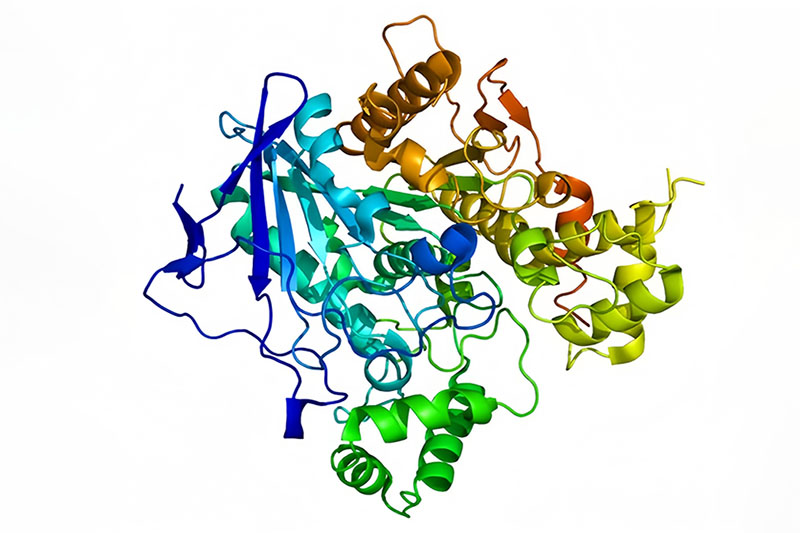
Alcohol Dehydrogenase (ADH) is an enzyme derived from animals, plants and microorganisms that catalyzes the oxidation of ethanol to acetaldehyde and reduces coenzyme NAD+ to NADH. Due to its high efficiency and specificity, ADH has been widely used in biotechnology, industrial fermentation and medical fields.
Function and advantage
Catalytic reaction: ADH catalyzes the conversion of ethanol to acetaldehyde and the reduction of NAD+ to NADH, this reaction process is fast and efficient.
High specificity: ADH is highly specific to ethanol and can accurately identify and act on ethanol molecules to avoid interference from other alcohols.
Metabolic regulation: ADH plays a key role in alcohol metabolism in the body, helping to regulate and break down ingested alcohol.
Application field
Industrial fermentation: ADH is used in winemaking and biofuel production to catalyze the generation and conversion of ethanol to improve fermentation efficiency and product quality.
Biosensors: ADH is used as a key element in biosensors to detect ethanol concentrations for alcohol detection and environmental monitoring.
Medical testing: ADH is used in clinical diagnostic kits to detect alcohol levels in blood and body fluids to help diagnose alcoholism and monitor binge drinking behavior.
Research use: ADH is used in biochemical research to study alcohol metabolism process and enzyme catalytic mechanism, to explore metabolic regulation and enzyme function.